Engagement Rings UK Editorial
Contributing Editor
Engagement Ring
Metals Guide
Gold, platinum, or something else? The metal you choose affects how the ring looks, feels, wears, and what it costs to maintain. Here's everything UK buyers need to know.
Which Metal Should You Choose?
The metal accounts for roughly £200–£900 of your ring's total cost, but its impact on appearance is enormous. It affects the diamond's perceived colour, how the ring feels on the finger, and how much maintenance it needs over the years.
In the UK, white gold is the most popular choice for engagement rings (roughly 55% of sales), followed by platinum (20%), yellow gold (15%), and rose gold (10%).
The simplest rule: match the metal to the jewellery she already wears. If her watch, earrings, and necklaces are silver-toned, go white gold or platinum. If they're gold, go yellow gold. If she wears a mix, rose gold bridges both worlds beautifully.
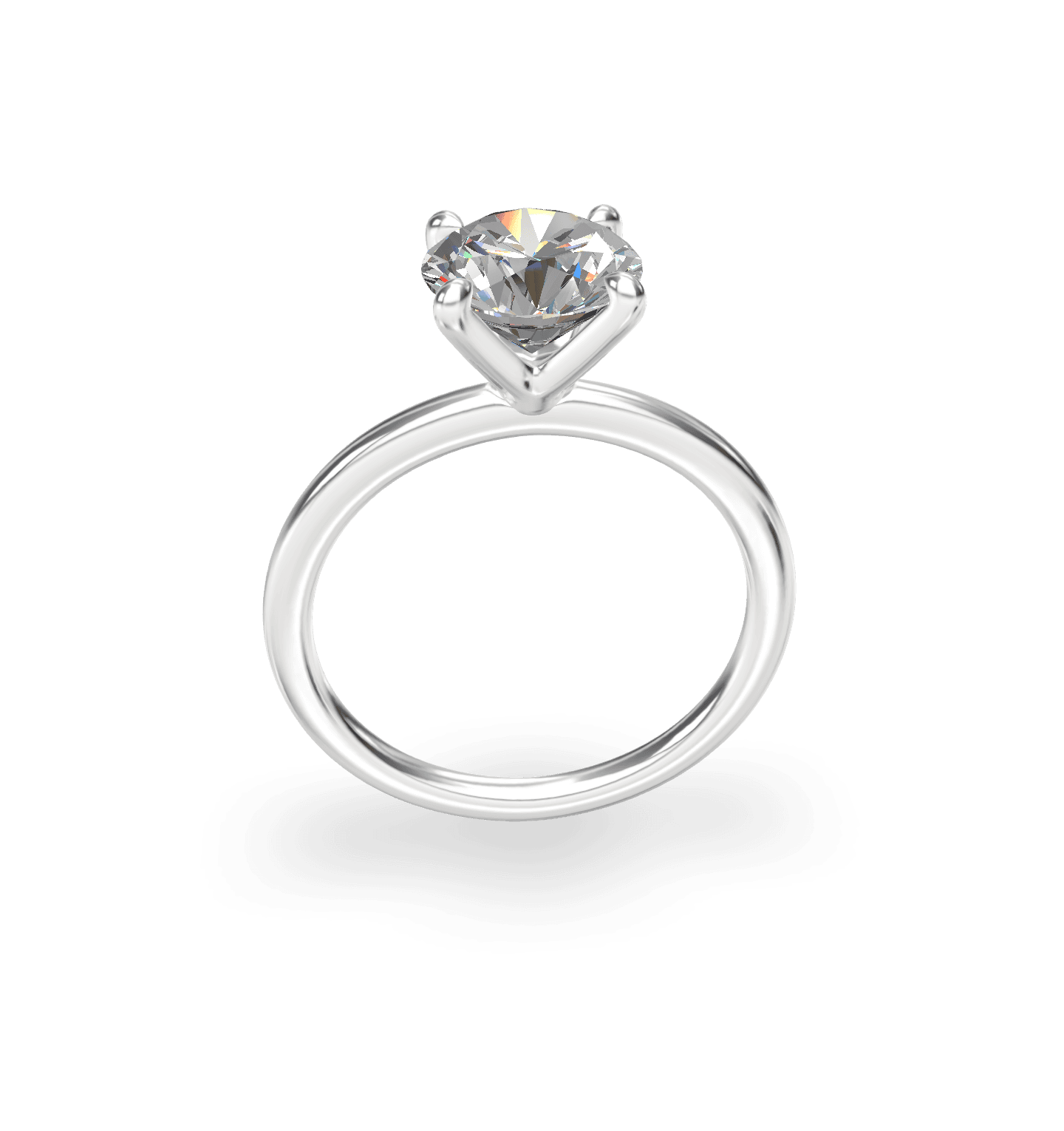
White Gold
White gold is the UK's favourite engagement ring metal, and for good reason. It has a bright, modern, silvery appearance that complements diamonds beautifully — especially colourless and near-colourless stones (D–H grade).
What it actually is: 18ct white gold is 75% pure gold alloyed with white metals (typically palladium, silver, or nickel). The resulting alloy is a pale champagne colour — not the bright white you see in shops. That brightness comes from a thin coating of rhodium, a member of the platinum family.
The maintenance reality: rhodium plating wears off over 12–18 months of daily wear, revealing the yellowish tone underneath. Re-plating costs £40–£60 and takes about 30 minutes at any high-street jeweller. Some people find this annoying; others don't mind the warm patina.
Setting cost: A solitaire setting in 18ct white gold typically costs £250–£500. Choose nickel-free alloys if there's any history of metal sensitivity.
Yellow Gold
Yellow gold is the classic. It's been used for engagement rings for centuries and has experienced a strong resurgence in popularity since 2023, driven by vintage-inspired and “old money” aesthetics.
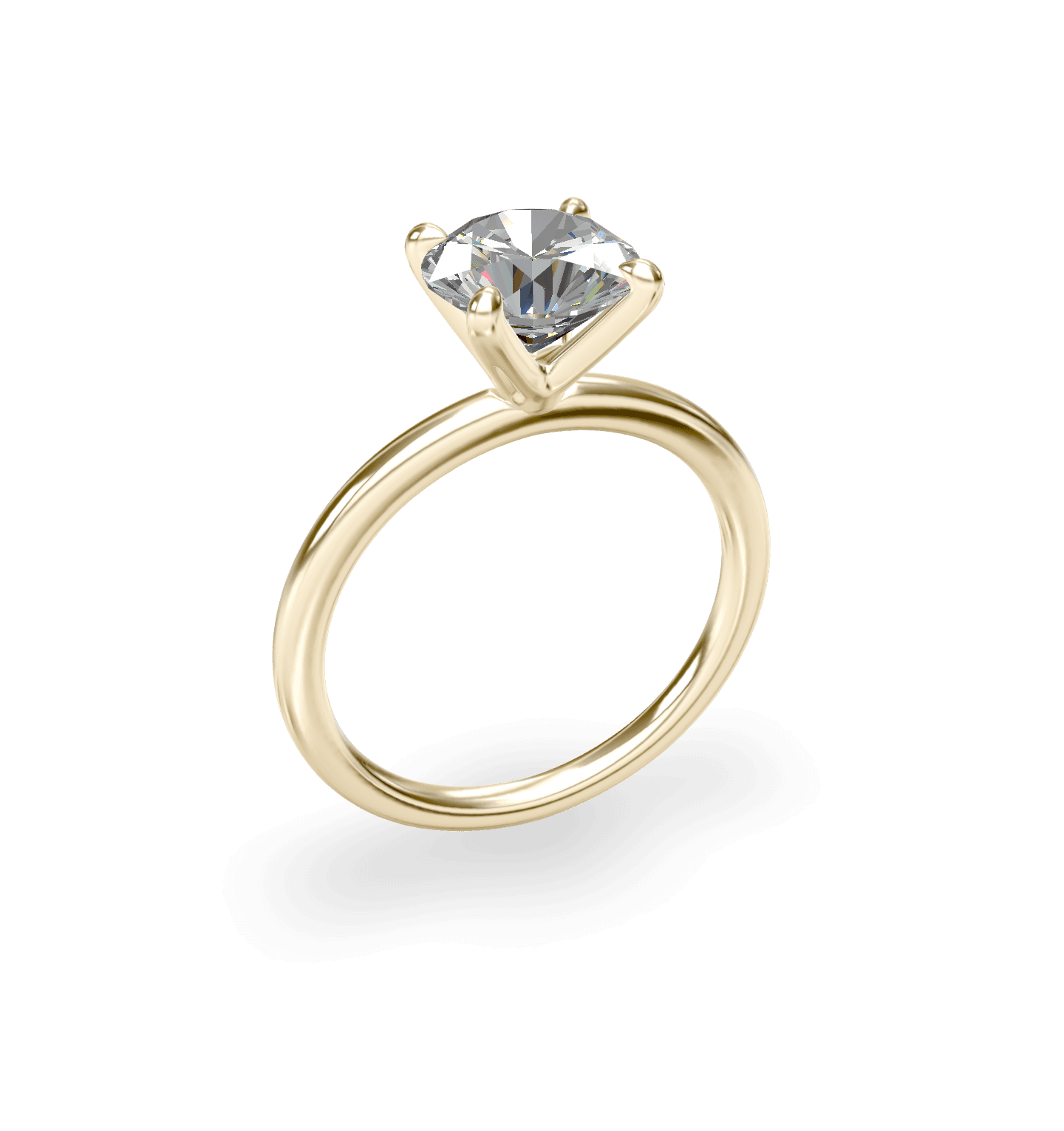
Colour note: 18ct yellow gold has a richer, warmer tone than 9ct, which can look quite pale. For engagement rings, we always recommend 18ct for its superior colour and hypoallergenic properties.
Diamond pairing tip: yellow gold complements warm-toned diamonds (I–K colour) beautifully — the warm metal masks any body colour in the stone. This means you can choose a lower (cheaper) colour grade and save £300–£600 without any visible difference. See our 4Cs guide for more.
Maintenance: virtually none. Yellow gold doesn't need plating. An occasional polish restores its lustre. It will develop minor surface scratches over time, which most people find adds character.
Rose Gold
Rose gold has a warm, romantic, pinkish tone created by alloying gold with copper. It's become increasingly popular with younger buyers — it looks distinctive and flatters a wide range of skin tones.
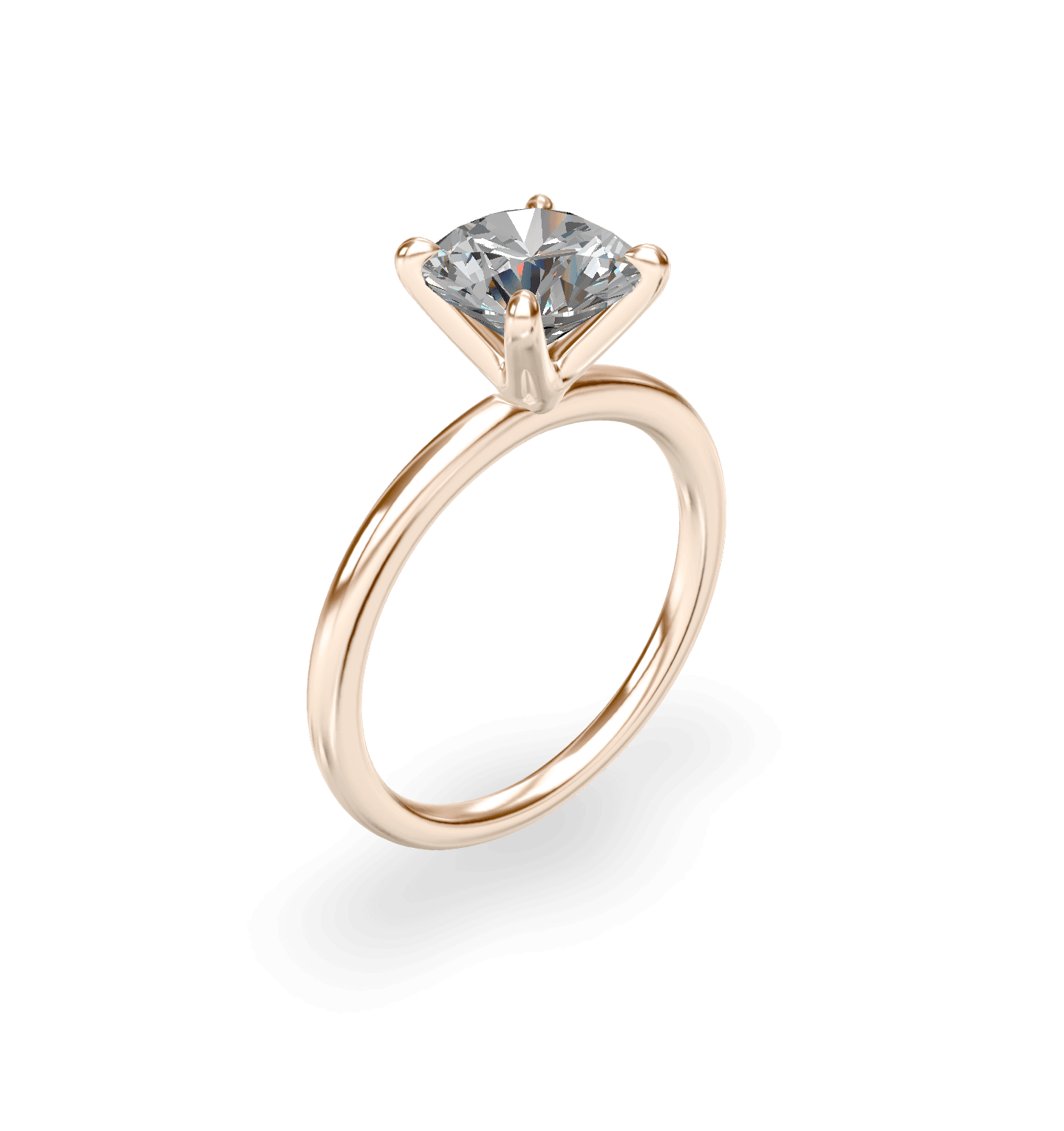
The colour is permanent. Unlike white gold, rose gold doesn't need plating. The pink hue comes from the copper in the alloy itself, so it won't fade or change over time. In fact, many people find rose gold becomes slightly more rosy with age, which they love.
Durability: the copper content actually makes rose gold slightly harder than yellow or white gold, so it's very resistant to scratches and dents. It's an excellent choice for active lifestyles.
Allergy note: in very rare cases, people with copper allergies may react to rose gold. This is uncommon but worth checking if there's a known sensitivity. Most people have no issues.
Platinum
Platinum is the premium choice — and there are good reasons for its higher price. It's the densest, most durable precious metal used in jewellery, and it's naturally white (no plating needed).
Purity: UK platinum engagement rings are 950 (i.e. 95% pure platinum), compared to 75% for 18ct gold. This higher purity makes it completely hypoallergenic — the best choice for anyone with metal sensitivities.
The patina debate: platinum develops a soft grey patina over time as the surface micro-scratches. Some people love this aged, matte look — it's often described as “vintage character.” Others prefer the polished bright finish. A jeweller can polish it back to bright white at any time for £30–£50.
Weight: platinum is noticeably heavier than gold. A platinum ring feels substantial on the finger. Some people love this; others find it too heavy. Try one on before committing.
Cost: expect to pay £200–£500 more for a platinum setting compared to 18ct white gold. The total setting cost is typically £450–£900.
Palladium
Palladium is the lesser-known member of the platinum family. It shares many of platinum's advantages — naturally white, hypoallergenic, doesn't need plating — but at a lower price point and with significantly less weight.
Why consider it: if you like the idea of platinum but find it too heavy or expensive, palladium is an excellent middle ground. It's about 40% lighter than platinum and costs £300–£600 for a setting.
The catch: fewer jewellers stock palladium, so your selection may be more limited. It's also harder to resize, so getting the size right first time is more important. Check our ring size guide before ordering.
Metal Comparison Table
| Metal | Colour | Setting Cost | Durability | Maintenance | Allergies |
|---|---|---|---|---|---|
| 18ct White Gold | Bright silvery-white (rhodium plated) | £250–£500 | Good — harder than platinum | Rhodium re-plating every 12–18 months (£40–£60) | May contain nickel — check if sensitive |
| 18ct Yellow Gold | Warm, classic gold | £250–£500 | Good — traditional choice | Minimal — polish occasionally | Generally hypoallergenic at 18ct |
| 18ct Rose Gold | Warm pinkish-gold | £250–£500 | Very good — copper adds strength | Minimal — colour is permanent | Not suitable for copper allergies (rare) |
| Platinum (950) | Cool silvery-white (natural) | £450–£900 | Excellent — hardest precious metal | Develops grey patina; polish to restore shine | Hypoallergenic — best for sensitive skin |
| Palladium (950) | Light silvery-white | £300–£600 | Very good | Low — doesn't tarnish | Hypoallergenic |
Visual comparison — same ring, three metals
White Gold
Yellow Gold
Rose Gold
How to Decide
- Check what she wears. If her existing jewellery is silver-toned, go white gold or platinum. Gold-toned? Yellow gold. Mix? Rose gold works with both.
- Consider skin tone. Yellow and rose gold tend to flatter warm skin tones; white gold and platinum suit cool skin tones. But this is a generalisation — personal style matters more.
- Think about maintenance tolerance. If you want zero ongoing maintenance, avoid white gold (needs re-plating). Platinum, yellow gold, and rose gold are all low-maintenance.
- Consider allergies. Any history of metal sensitivity? Platinum is the safest choice. 18ct yellow gold is also generally safe. Avoid 9ct gold and nickel-containing white gold alloys.
- Budget factor. White gold, yellow gold, and rose gold cost the same. Platinum adds £200–£500. Palladium sits in between.
Still unsure? Read our how to choose guide for the complete step-by-step process.
See metals in 3D
Our ring builder shows every metal option on your exact design — 66,420 combinations. Compare white gold, yellow gold, rose gold, and platinum side by side.
Open the ring builder