Engagement Rings UK Editorial
Contributing Editor
Diamond Engagement
Rings UK
Diamonds remain the UK's favourite engagement ring stone by a wide margin — chosen for roughly 85% of all engagement rings. Here's what every UK buyer needs to know about quality, pricing, and certification.
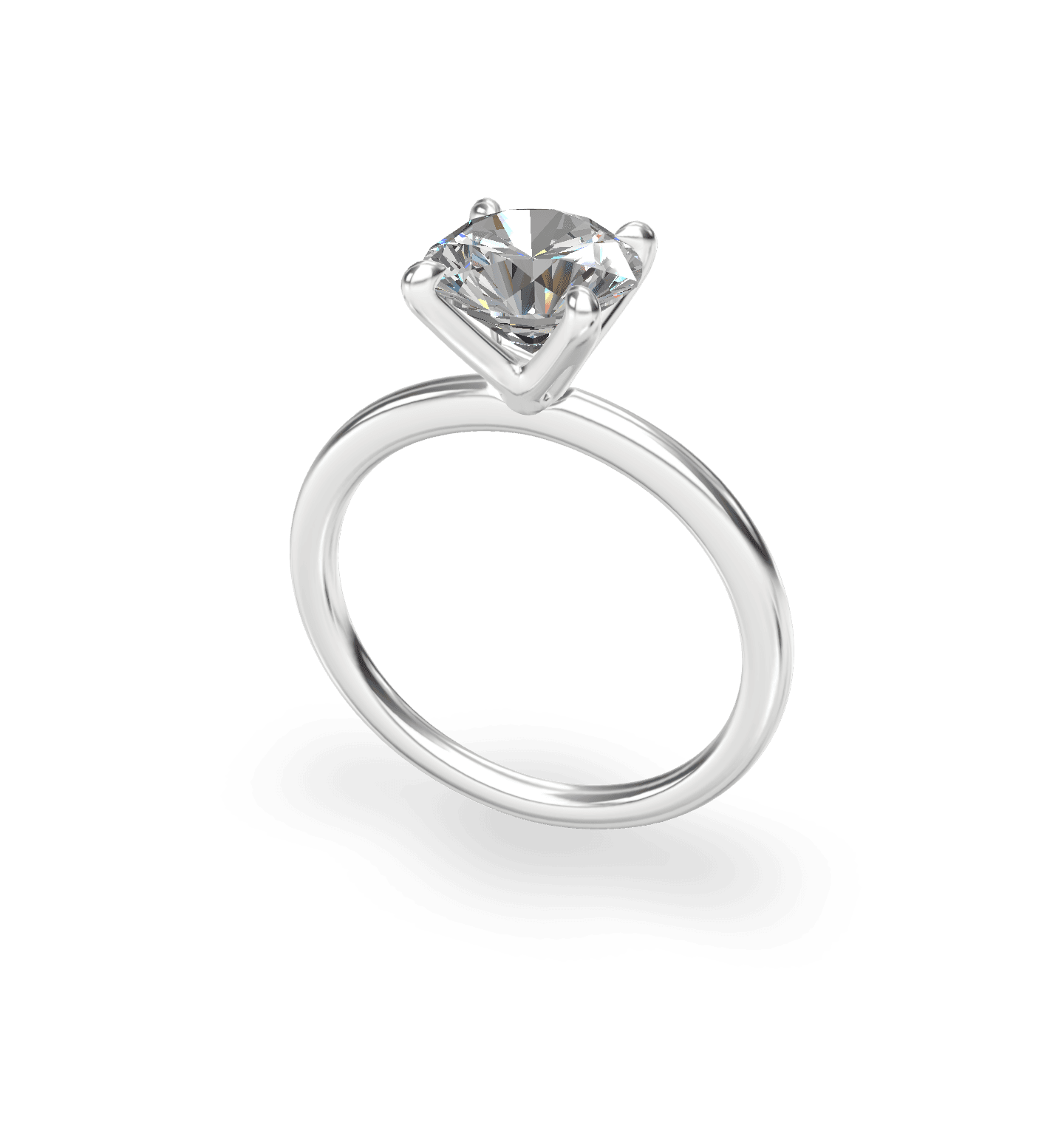
Why Diamonds for Engagement Rings?
Diamond engagement rings became the cultural norm in the UK during the mid-20th century, largely thanks to De Beers' legendary “A Diamond is Forever” campaign (1947). Marketing aside, diamonds have genuine practical advantages for a ring worn every day:
- Hardness: 10 on the Mohs scale — the hardest natural substance. Diamonds resist scratching better than any other gemstone, which matters enormously for daily wear.
- Brilliance: a well-cut diamond returns more light to the eye than any other transparent gemstone, creating that characteristic sparkle.
- Durability: properly set, a diamond engagement ring can last generations without the stone needing replacement. Sapphires and rubies are also durable; softer stones like emeralds and opals are riskier.
- Universality: diamonds pair with every metal colour and every style, from vintage to ultra-modern.
That said, diamonds aren't the only option. Sapphires (famously chosen by Princess Diana), moissanite, and coloured gemstones are growing in popularity. But if you're leaning towards a diamond, you're in the majority — and this guide will help you choose the right one.
Natural vs Lab-Grown — The Quick Version
Both natural and lab-grown diamonds are real diamonds — same chemical composition (pure carbon), same hardness, same optical properties. A jeweller cannot tell them apart without specialist equipment.
The key differences:
- Price: lab-grown costs 50–70% less for equivalent quality
- Resale: natural diamonds hold 30–50% of value; lab-grown has minimal resale value
- Supply: natural is finite; lab-grown production is unlimited
- Sentiment: natural carries tradition and rarity; lab-grown represents modern pragmatism
In the UK, lab-grown diamond engagement rings now account for approximately 30–35% of sales (2026 estimate), up from 15% in 2023. The shift is driven primarily by value — buyers can get a significantly larger, higher-quality stone for the same budget. For the complete comparison, read our lab-grown vs natural guide.
Diamond Quality Guide
Diamond quality is assessed by the 4Cs: Cut, Colour, Clarity, and Carat. Here's the short version of what to prioritise (for the full deep-dive, read our 4Cs guide):
- Cut — the most important: Always choose Excellent or Ideal cut. This determines the sparkle. A well-cut 0.8ct diamond outperforms a poorly cut 1.2ct. Never compromise here.
- Colour — G or H is the sweet spot: These grades look white to the naked eye and cost 20–30% less than D–F (colourless). In yellow gold settings, I–J is fine.
- Clarity — VS2 is sufficient: Inclusions are invisible without a 10x loupe. Paying for VVS or Flawless is paying for something only a gemologist will ever see.
- Carat — buy below magic numbers: Prices jump at 0.50, 1.00, 1.50, and 2.00ct. A 0.95ct looks like a 1.00ct but costs 10–15% less.
Our recommended spec: 1.0ct, Excellent cut, G colour, VS2 clarity. This is the best balance of beauty and value for most UK buyers. In lab-grown, expect £900–£1,400 for the loose stone. In natural, £3,500–£5,500.
Priority order for engagement rings
Size reflects importance — never compromise on cut
Diamond Shapes for Engagement Rings
Shape is a personal preference, not a quality factor. Here are the most popular shapes in the UK and what makes each distinctive:
- Round Brilliant — the classic. Maximum sparkle, universally flattering, works with every setting. Accounts for roughly 60% of UK engagement ring sales. Slightly more expensive per carat than fancy shapes.
- Oval — the biggest trend in 2025–2026. Looks 10–15% larger than a round of the same carat weight. Elongates the finger. 15–20% cheaper per carat than round.
- Cushion — soft, rounded square. Vintage character with excellent brilliance. Very popular in halo settings. Similar pricing to oval.
- Emerald — rectangular with stepped facets. Elegant, understated. Shows colour and clarity more than brilliant cuts, so aim for F–G colour and VS1 clarity minimum.
- Pear (Teardrop) — unique, elongating shape. Looks dramatic as a solitaire. The point should face towards the fingertip.
- Princess (Square Brilliant) — sharp corners, modern look. Second most popular after round. Corners need protective prongs.
- Marquise — boat-shaped, maximises perceived size. Faces up the largest per carat of any shape. Distinctive and unusual.
- Radiant — rectangular with brilliant-cut faceting. Combines the emerald's shape with the round's sparkle.
Diamond shapes — visual comparison
Round
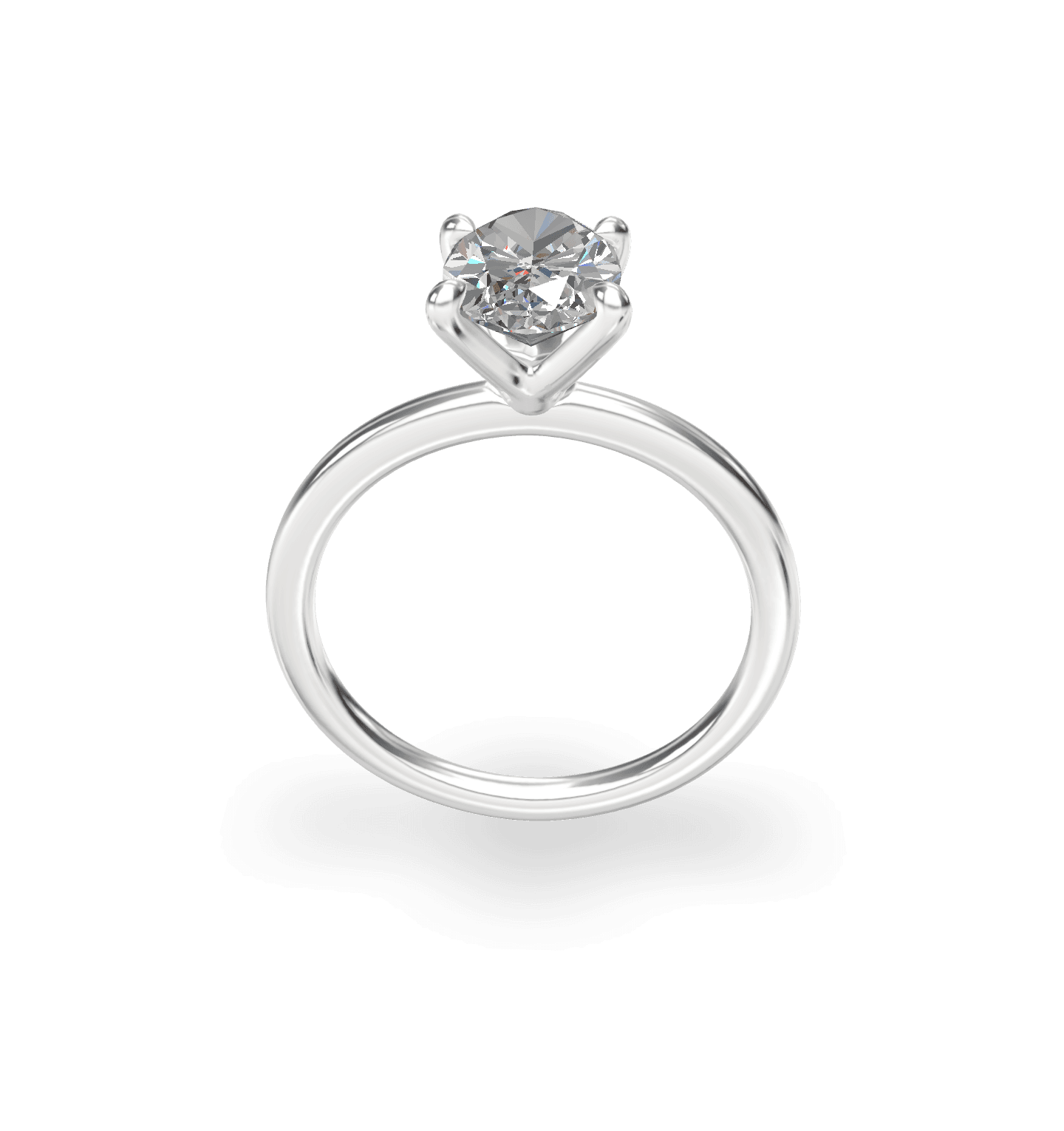
Oval
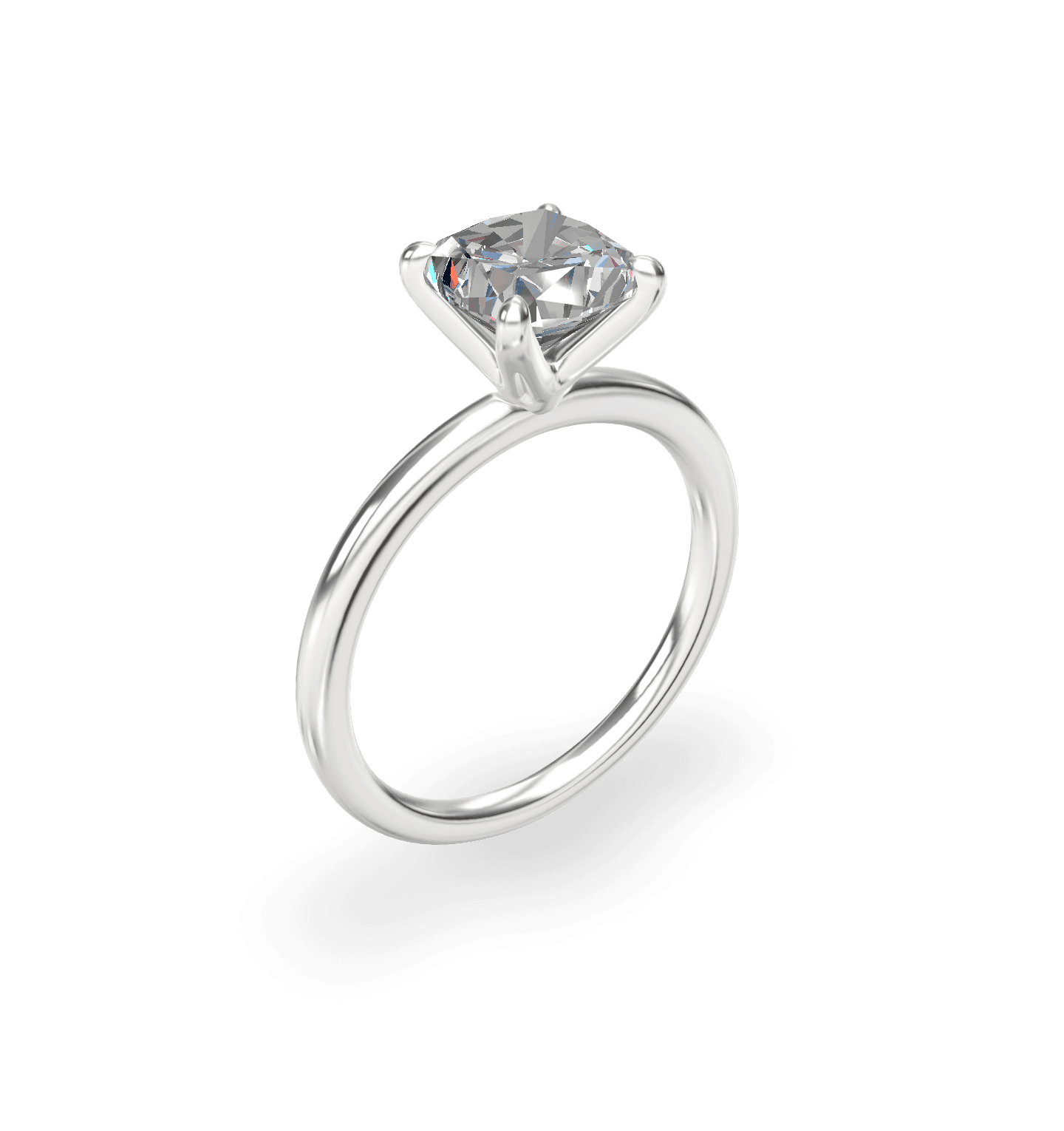
Cushion
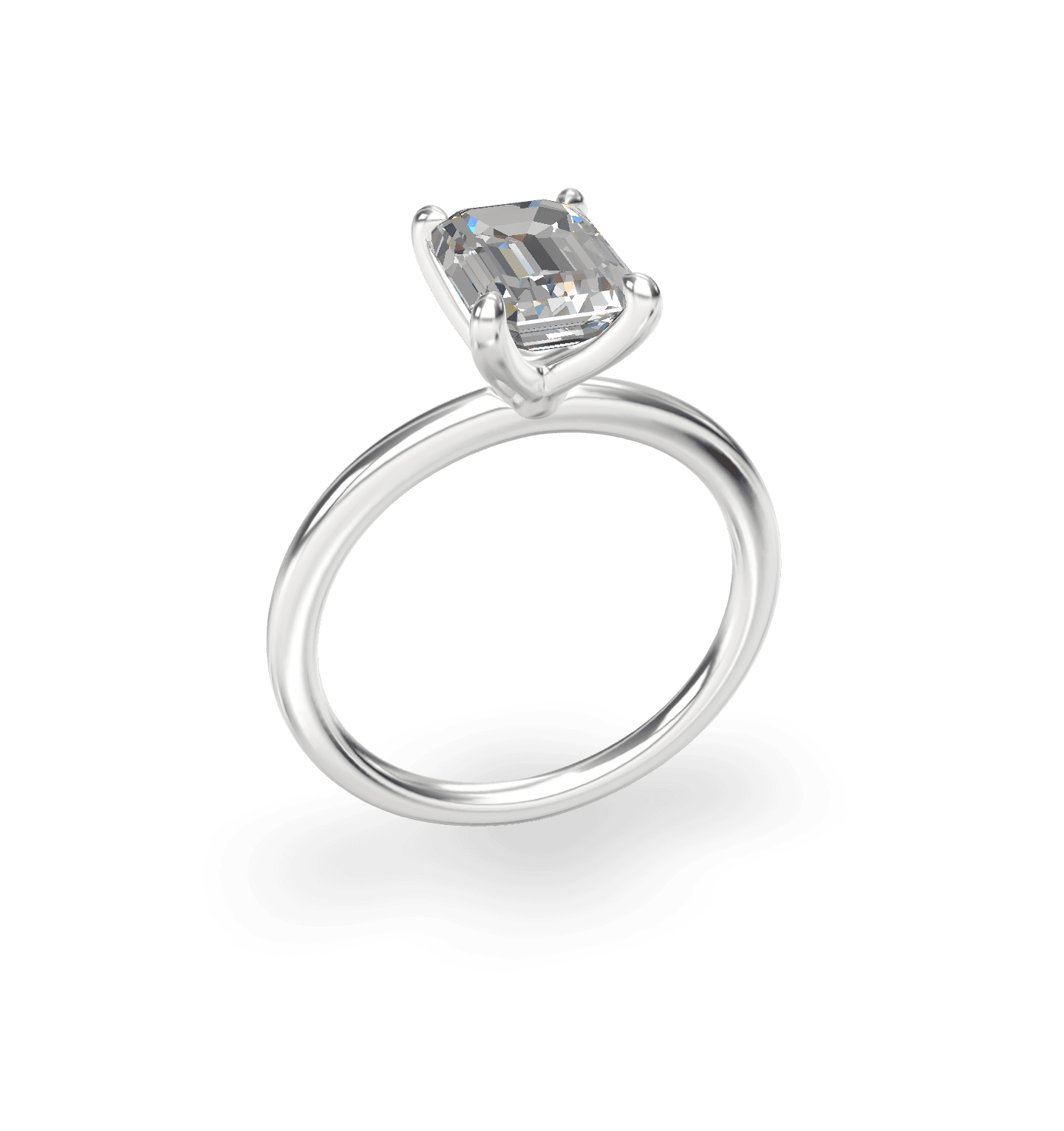
Emerald
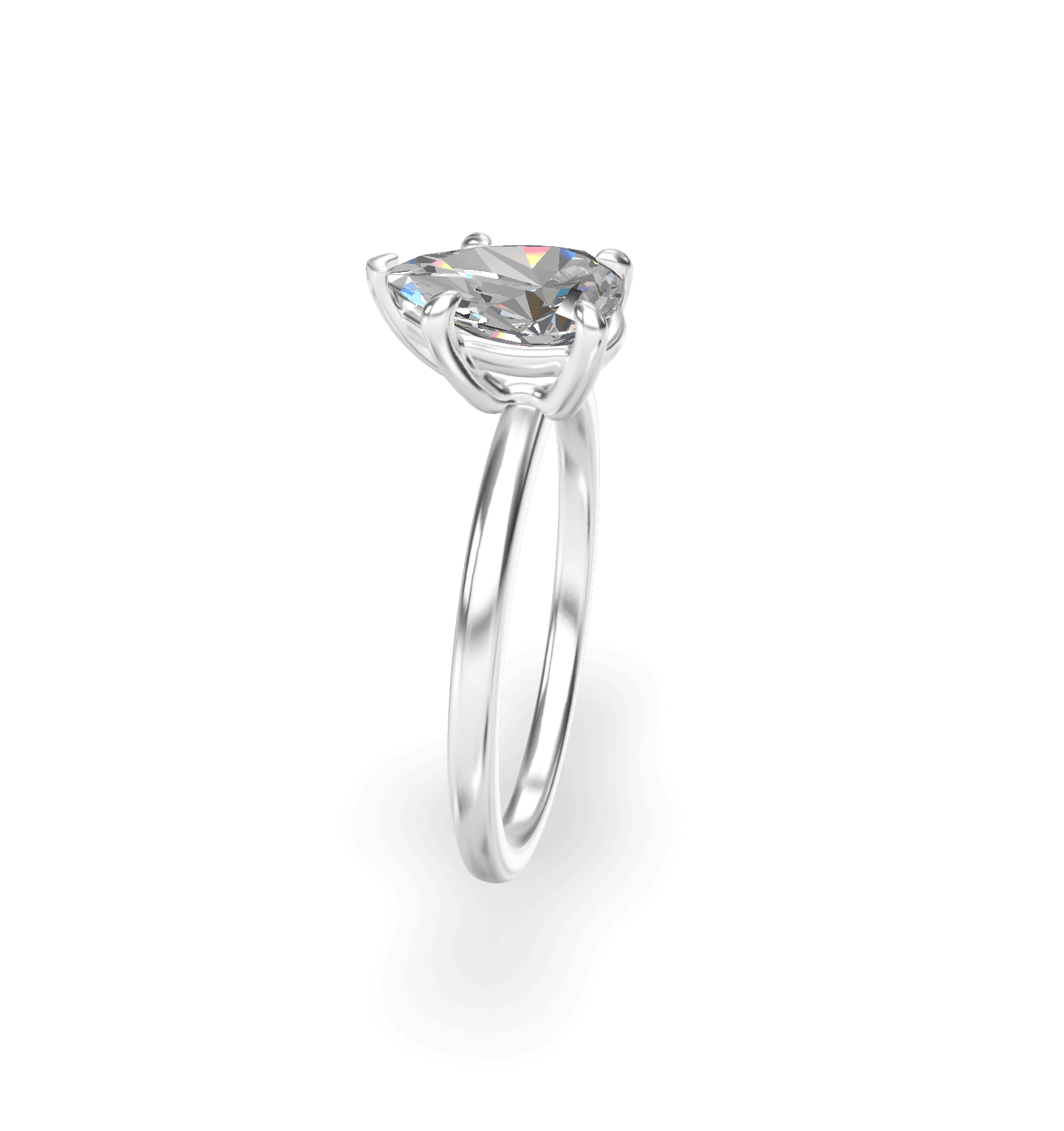
Pear
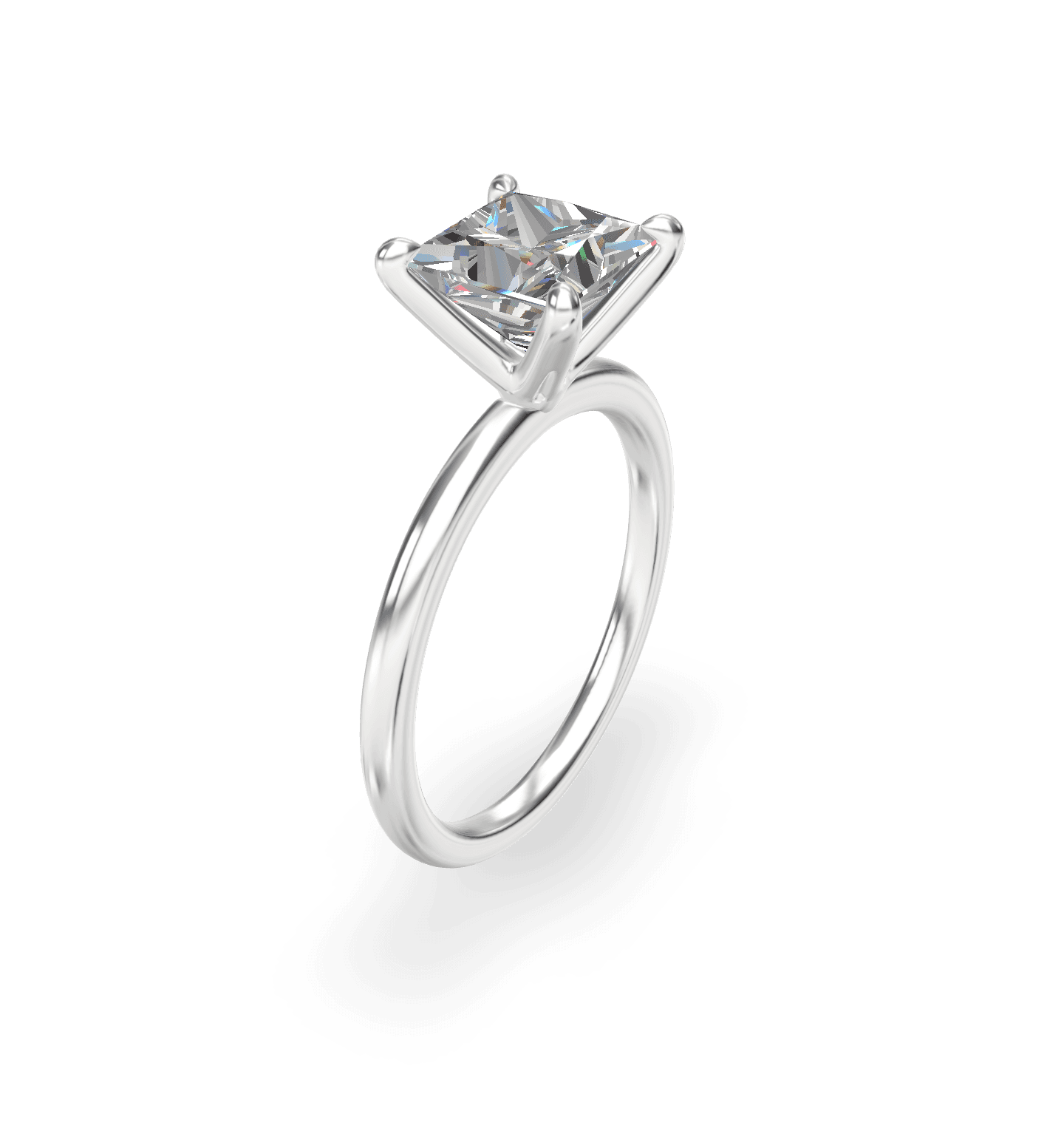
Princess
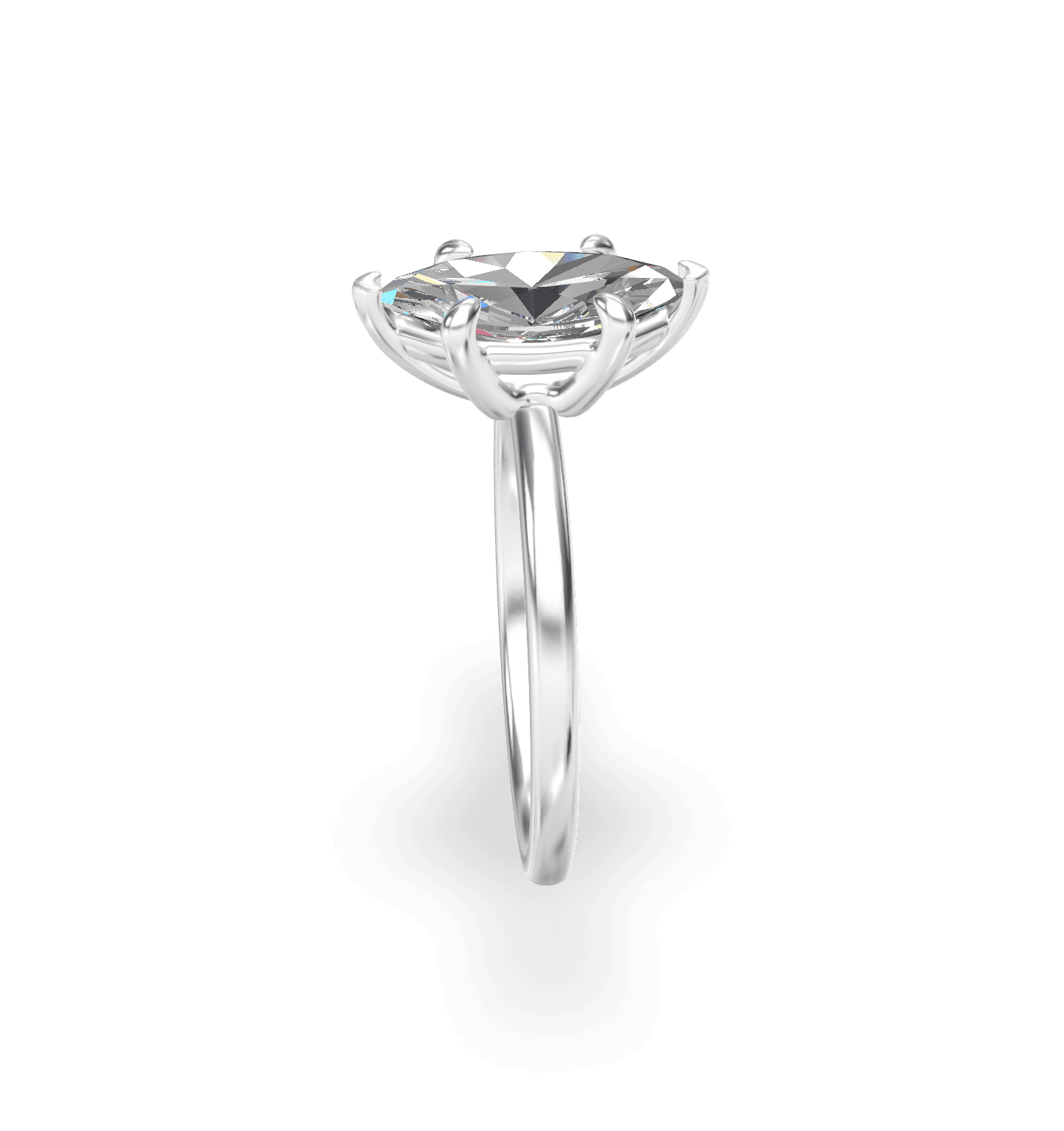
Marquise
UK Diamond Certification
Always buy a certified diamond. The certificate is an independent, expert assessment of the stone's quality — it protects you from overpaying and ensures you know exactly what you're getting.
The two most trusted labs:
- GIA (Gemological Institute of America): The gold standard. Most consistent and conservative grading. The global benchmark for natural diamonds. Also certifies lab-grown.
- IGI (International Gemological Institute): Very widely used, especially for lab-grown diamonds. Grading is consistent and trusted by the UK trade. Slightly less conservative than GIA on colour/clarity for some stones.
Trusted certification labs
GIA
Gold standard globally
IGI
Top choice for lab-grown
Labs to approach with caution: EGL, GSI, and other lesser-known labs can grade 1–2 grades more generously than GIA. An “EGL G colour” might be an “I colour” by GIA standards — meaning you're overpaying.
UK-specific requirements: All precious metal jewellery sold in the UK must be hallmarked by an Assay Office (London, Birmingham, Edinburgh, or Sheffield). The hallmark confirms the metal type and purity. This is a legal requirement under the Hallmarking Act 1973 and provides an additional layer of consumer protection you won't get buying overseas.
Consumer rights: buying from a UK jeweller gives you statutory rights under the Consumer Rights Act 2015, including the right to return goods that are not as described. Online purchases carry an additional 14-day cooling-off period under the Consumer Contracts Regulations.
Price Expectations
What you'll actually pay for a diamond engagement ring in the UK in 2026. All prices assume Excellent cut, G colour, VS2 clarity, round brilliant, in an 18ct white gold solitaire setting (add £200–£400 for setting).
| Carat | Lab-Grown (stone) | Natural (stone) | Total Ring (lab / natural) |
|---|---|---|---|
| 0.50ct | £500–£900 | £1,400–£2,500 | £700–£1,400 / £1,600–£3,000 |
| 0.75ct | £650–£1,100 | £2,000–£3,500 | £850–£1,600 / £2,200–£4,000 |
| 1.00ct | £900–£1,400 | £3,500–£5,500 | £1,100–£1,900 / £3,700–£6,000 |
| 1.50ct | £1,400–£2,000 | £7,000–£12,000 | £1,600–£2,500 / £7,200–£12,500 |
| 2.00ct | £1,800–£2,800 | £14,000–£22,000 | £2,000–£3,300 / £14,200–£22,500 |
Prices include VAT. Based on reputable UK independent and online jeweller pricing, September 2026.
For the full cost breakdown including regional differences and hidden costs, see our comprehensive cost guide.
Where to Buy a Diamond Engagement Ring in the UK
UK buyers have excellent options at every price point:
- Hatton Garden, London — 50+ specialist jewellers. Best value in the UK. 20–40% cheaper than high-street chains.
- London (all areas) — from Hatton Garden value to Bond Street luxury. The widest selection in Britain.
- Birmingham Jewellery Quarter — the UK's second largest diamond centre. Excellent value, strong independent scene.
- Online jewellers — MOH London, 77 Diamonds, Taylor & Hart, Vashi. Wide selection, competitive pricing, and free returns. Best for informed buyers.
- Regional independents — Manchester, Leeds, Edinburgh, Bristol all have quality independent jewellers offering personal service and fair pricing.
Avoid: high-street chain jewellers for diamond engagement rings. You'll pay 30–50% more for equivalent quality. The convenience premium is not justified when independent and online options are so accessible.
Design your diamond ring
Our 3D ring builder offers 66,420 combinations of diamond shape, setting, and band style. Design your perfect ring and get real quotes from UK jewellers — free, no obligation.
Open the ring builder